
What Causes Tailbone Pain While Sitting?
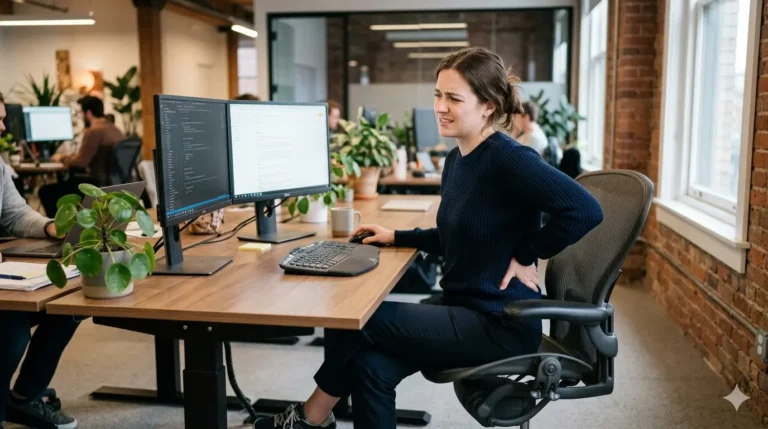
Tailbone pain while sitting is a common problem among office workers, students, gamers, and anyone who spends long hours seated. The tailbone, also known as the coccyx, is located at the very bottom of the spine and helps support your body when sitting.
When too much pressure is placed on this small structure for extended periods, irritation and inflammation can occur. This condition is often referred to as coccydynia.
Many people assume their chair is the only problem, but tailbone pain while sitting is usually caused by a combination of factors including poor posture, prolonged sitting, inadequate seat cushioning, and improper workstation ergonomics.
Why Tailbone Pain While Sitting Gets Worse Throughout the Day
Many people notice that their discomfort increases as the day progresses.
This happens because prolonged sitting places continuous pressure on the coccyx without giving surrounding muscles and tissues time to recover.
Several factors can make tailbone pain while sitting worse:
- Sitting on hard surfaces
- Leaning backward for long periods
- Poor lumbar support
- Slouching posture
- Lack of movement breaks
- Improper seat height
The longer pressure remains concentrated on the tailbone, the more irritation can develop.
Common Reasons for Tailbone Pain While Sitting at Work
Modern office environments unintentionally create conditions that contribute to tailbone discomfort.
Poor Chair Design
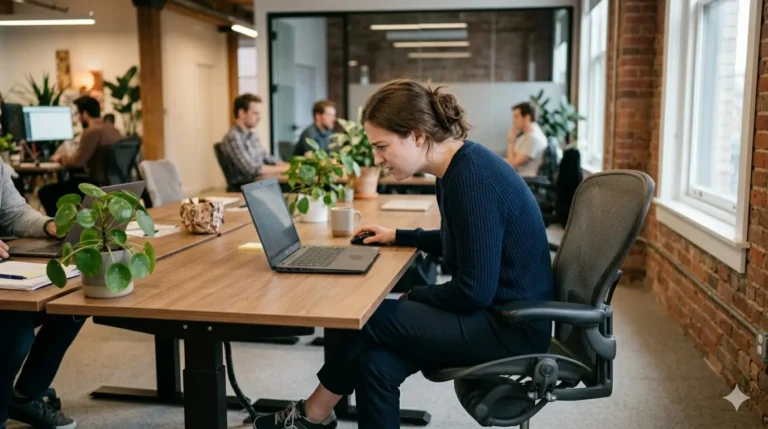
Many office chairs provide inadequate pressure distribution. When body weight is concentrated directly on the coccyx, discomfort can develop quickly.
Sitting Too Long
Research consistently shows that prolonged sitting increases pressure on the lower spine and surrounding tissues.
A common mistake is sitting for several hours without standing, stretching, or walking.
Incorrect Desk Setup
An improperly positioned monitor can cause workers to lean backward or slump forward, affecting pelvic alignment and increasing pressure on the tailbone.
Related Articles:
- Best Monitor Arms for Small Desks
- Do Monitor Arms Improve Posture?
- Best Laptop Stands for Better Posture
The Best Sitting Position for Tailbone Pain While Sitting
One of the easiest ways to reduce discomfort is by adjusting your sitting posture.
Sit Upright
Maintain a neutral spine position.
Keep Feet Flat
Your feet should rest comfortably on the floor or a footrest.
Avoid Leaning Back Excessively
Leaning backward often shifts more body weight directly onto the tailbone.
Maintain Proper Hip Position
Your hips should remain slightly higher than your knees whenever possible.
These small adjustments can significantly reduce tailbone pain while sitting throughout the workday.
Can a Seat Cushion Help Tailbone Pain While Sitting?
For many people, the answer is yes.
A well-designed coccyx cushion can help redistribute body weight away from the tailbone.
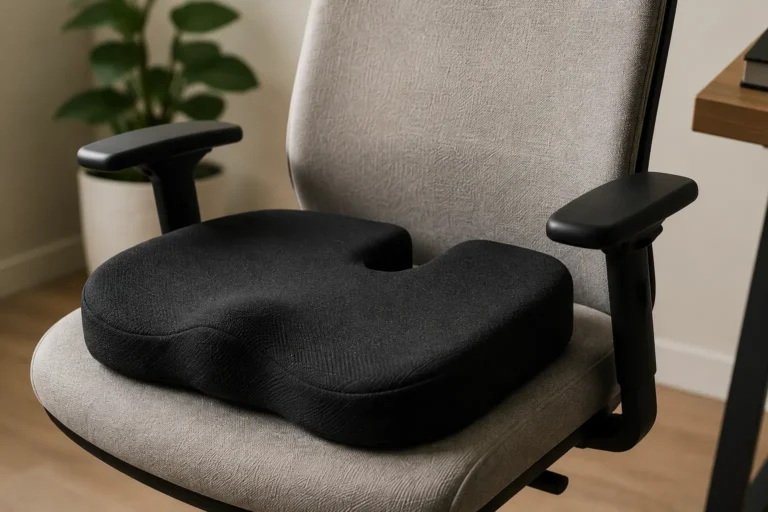
Benefits include:
- Reduced pressure on the coccyx
- Improved comfort during long sitting sessions
- Better posture support
- Improved weight distribution
However, not all cushions are equally effective.
Memory Foam Cushions
Provide excellent pressure relief and contour to the body.
Gel Cushions
Stay cooler and provide additional support.
Related Articles:
- Best Seat Cushion for Tailbone Pain
- Memory Foam vs Gel Seat Cushions
- Best Seat Cushions for Long Sitting
How a Footrest Can Reduce Tailbone Pain While Sitting
Most people never consider foot positioning when addressing pain.
A footrest can help by:
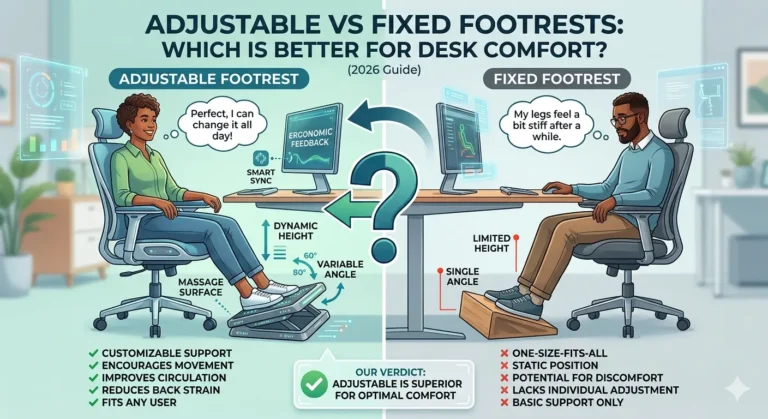
- Improving pelvic alignment
- Supporting proper sitting posture
- Reducing lower-body tension
- Encouraging better weight distribution
When feet dangle or remain unsupported, posture often deteriorates, increasing stress on the lower spine and tailbone.
Related Articles:
- Best Footrests for Desk Comfort
- Do Footrests Improve Posture?
Daily Habits That Help Reduce Tailbone Pain While Sitting
Improving your workstation is important, but daily habits matter just as much.
Take Movement Breaks
Stand up every 30–60 minutes.
Stretch Regularly
Gentle hip and lower-back stretches can reduce tension.
Alternate Between Sitting and Standing
If possible, use a sit-stand desk.
Stay Active Outside Work
Walking and light exercise can help reduce stiffness associated with prolonged sitting.
Common Mistakes Making Tailbone Pain While Sitting Worse
Many people unknowingly make their symptoms worse.
Sitting for Hours Without Moving
Movement is essential for reducing prolonged pressure.
Choosing the Wrong Cushion
Some cushions are too soft and fail to relieve pressure effectively.
Ignoring Desk Ergonomics
Even the best chair cannot compensate for poor workstation setup.
Slouching
Slouching increases spinal stress and often worsens coccyx discomfort.
Waiting Too Long to Make Changes
Small ergonomic adjustments made early can prevent long-term discomfort.
When Tailbone Pain While Sitting May Require Medical Attention
Most cases improve with ergonomic changes and activity modifications.
However, consult a healthcare professional if you experience:
- Severe pain
- Persistent pain lasting several weeks
- Pain after a fall or injury
- Numbness or tingling
- Bowel or bladder issues
These symptoms may indicate a condition requiring medical evaluation.
Creating an Ergonomic Workspace to Reduce Tailbone Pain While Sitting
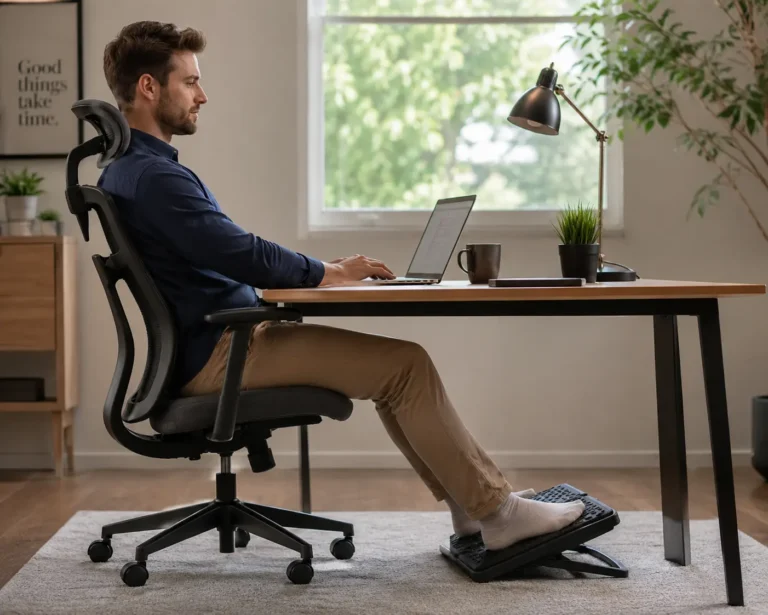
The most effective long-term solution is often a combination of:
- Proper chair setup
- Ergonomic seat cushion
- Footrest support
- Correct monitor height
- Regular movement breaks
Think of your workspace as a system. Improving one area helps, but optimizing all components typically delivers the best results.
Related Comfort Guides
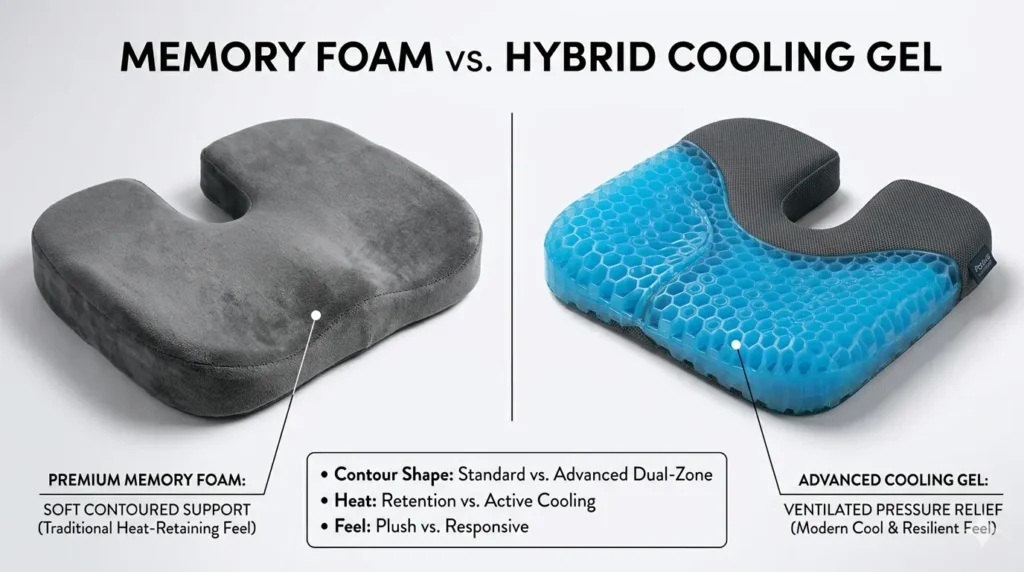
Memory Foam vs Gel Seat Cushions
Compare memory foam and gel seat cushions to find the best option for comfort, cooling, and long sitting support.
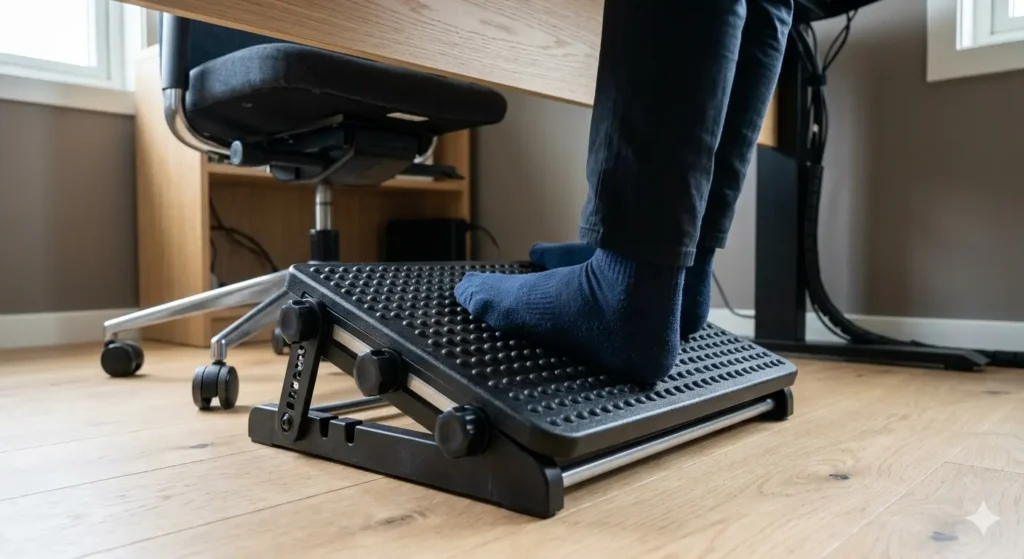
Do Footrests Improve Posture?
Find out how ergonomic footrests support better sitting posture, reduce fatigue, and improve overall desk comfort.

Best Seat Cushion for Tailbone Pain
Discover ergonomic seat cushions that help reduce tailbone pressure and improve sitting comfort during daily work or gaming.
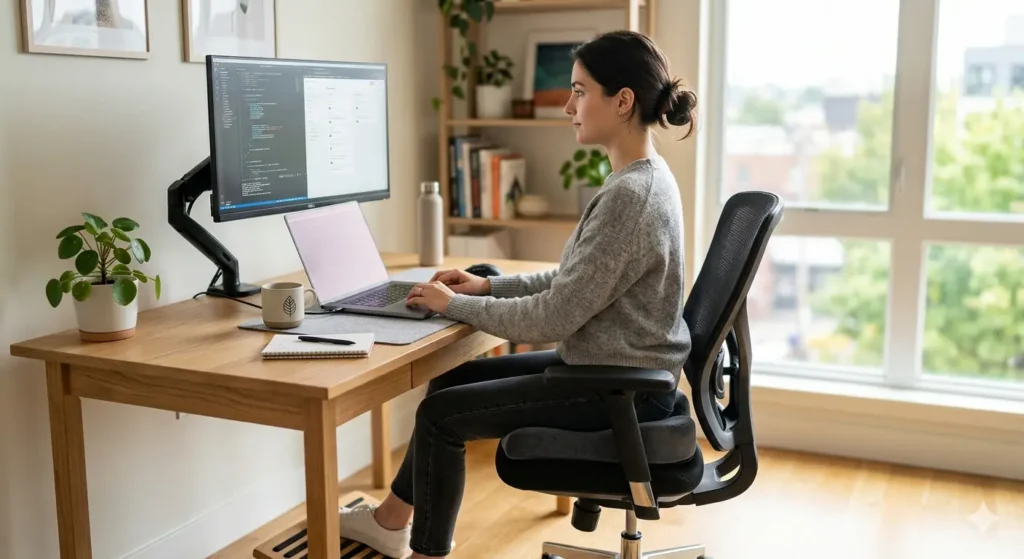
Best Seat Cushions for Long Sitting
Improve comfort during long desk sessions with ergonomic seat cushions designed for better support and posture.
Frequently Asked Questions
Why does my tailbone hurt when I sit for long periods?
Prolonged sitting places continuous pressure on the coccyx, which can lead to irritation and inflammation over time.
Can a seat cushion help tailbone pain while sitting?
Yes. Coccyx cushions are specifically designed to reduce pressure on the tailbone and improve sitting comfort.
Is tailbone pain while sitting serious?
Most cases are not serious and improve with ergonomic adjustments. Persistent or severe pain should be evaluated by a healthcare professional.
Can poor posture cause tailbone pain while sitting?
Poor posture can increase pressure on the coccyx and contribute to discomfort during extended sitting sessions.
Does a footrest help tailbone pain?
A footrest can improve posture and weight distribution, potentially reducing pressure on the tailbone.
Final Thoughts
Tailbone pain while sitting is often the result of prolonged pressure, poor posture, and inadequate workstation ergonomics. Fortunately, small changes such as improving posture, using a supportive seat cushion, adding a footrest, and taking regular movement breaks can make a significant difference.
If you spend hours at a desk every day, addressing the root causes of tailbone pain while sitting now can help prevent more serious discomfort in the future.
Great content! Keep up the good work!
thanks man it means a lot